· 3 minute read
Apollo AI vs. Quick Pick: What Really Differs When You Choose Numbers
Apollo AI vs. a quick pick: identical odds, different experiences. An honest comparison of cost, process, prize-sharing considerations and who each suits.
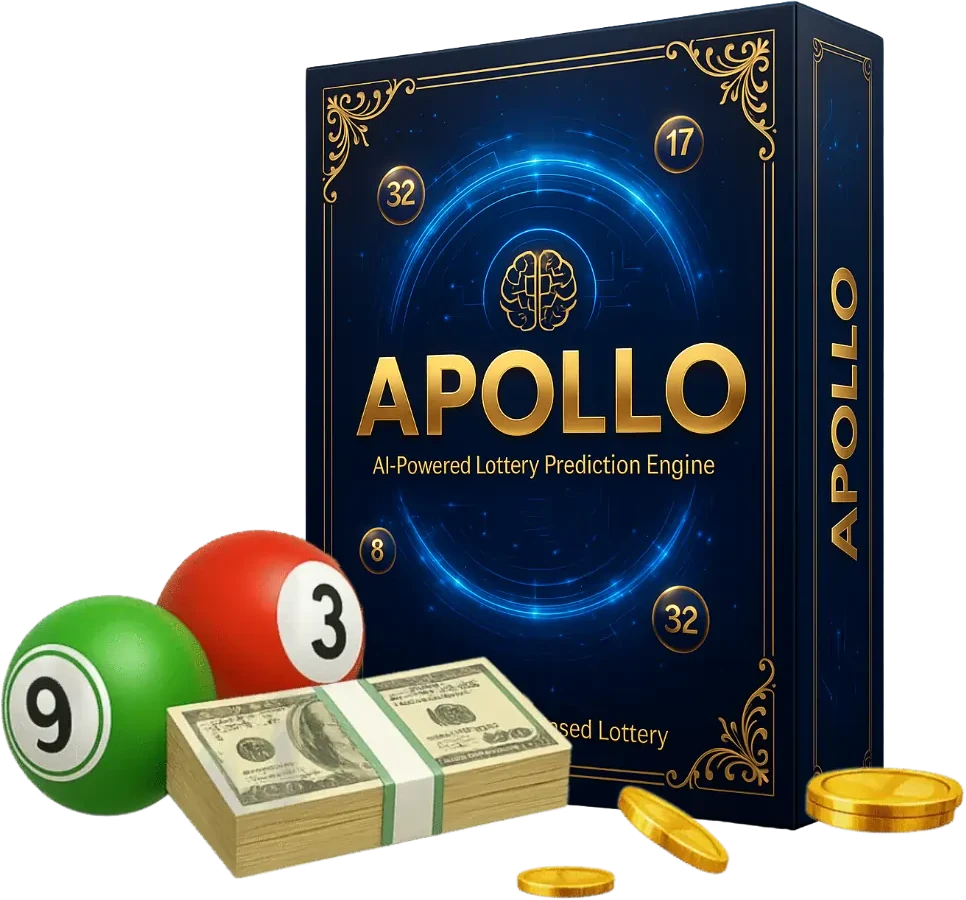
Every lottery retailer offers a quick pick: numbers chosen at random by the terminal, free of charge. Apollo AI offers analysis and generated sets for a one-time $147. It is natural to ask what the difference really is. This comparison answers honestly.
The essential truth: identical odds
In a fair lottery, every combination has exactly the same probability of being drawn. A quick pick, a birthday, a lucky number and an Apollo AI set all share the same odds: in Powerball, 1 in 292,201,338 for the jackpot. No method of choosing changes that.
So what differs?
The experience
A quick pick is instantaneous and impersonal. Apollo AI is a short ritual: exploring history, seeing patterns, comparing generated sets and choosing one. For some players, that process is the pleasure.
The cost
A quick pick costs nothing beyond the ticket. Apollo AI costs $147 once, with lifetime access and updates.
The information
Apollo AI shows draw history and frequencies. This is interesting context, though it does not predict future draws.
Prize sharing
Here is the one practical consideration. Many players choose dates, crowding numbers 1 to 31. Combinations drawn from a broader range are less commonly chosen. They are no more likely to win, but if they did, the prize would be less likely to be shared. Both quick picks and generated sets tend to produce broad combinations; personally chosen birthdays tend not to.
A side-by-side view
| Quick pick | Apollo AI | |
|---|---|---|
| Odds of winning | Identical | Identical |
| Cost | Free | $147 once |
| Time | Seconds | A few minutes |
| Draw history | No | Yes |
| Experience | Instant | Deliberate ritual |
| Guarantee | — | 14 days |
Who each suits
The quick pick
Ideal for anyone who plays casually and simply wants a ticket. It is free and mathematically equivalent.
Apollo AI
Suited to those who enjoy data, design and a considered ritual, and who would value that experience as a pastime in its own right.
A gentle caution
Do not purchase Apollo AI expecting to recover its cost through prizes. Its value is in the experience, not the outcome. And never allow any tool to increase how often or how much you play.
Why the experience can still matter
It is easy to dismiss any difference that does not change the odds. Yet people pay for experiences all the time: a beautifully designed notebook writes no better than a plain one, but many prefer it. In the same way, some players simply enjoy approaching the lottery through data and design rather than an instant terminal printout. If that describes you, the value of Apollo AI is real, as long as it is understood as the value of an experience.
A simple test
Before buying, ask yourself: "Would I still enjoy using Apollo AI if I knew it would never make me more likely to win?" If the answer is yes, it may be a good fit. If not, a free quick pick is the wiser choice.
Questions
Is Apollo AI "smarter" than a quick pick?
It is more informative and more engaging. It is not more likely to win.
Could I use both?
Certainly. Some people alternate depending on mood.
Continue
Read Is Apollo AI legit?, take the features tour, or visit the official introduction and our review. If the experience appeals, view the license. Return to the home page.